
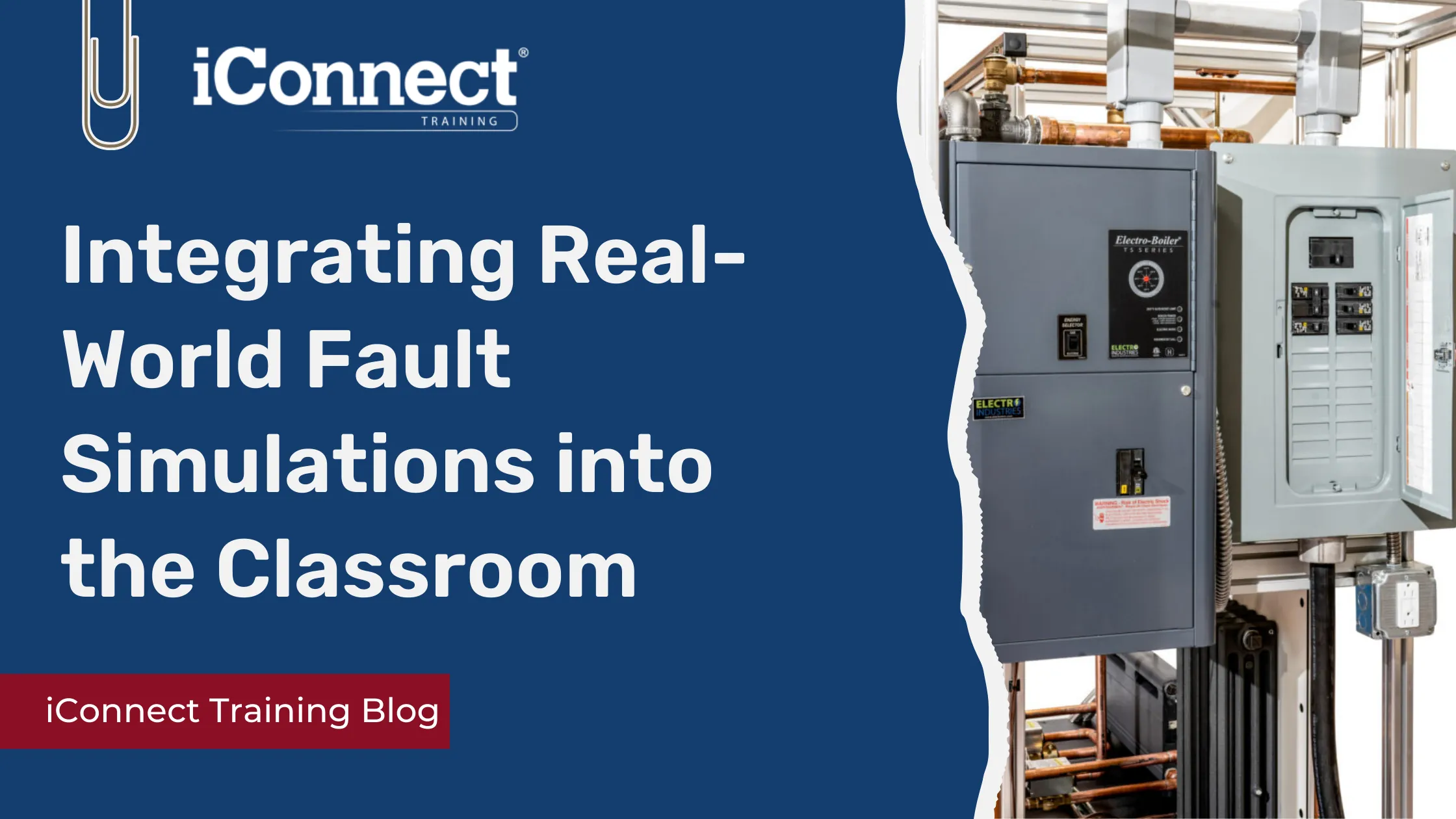
Hydronic heating can be one of the most challenging concepts for HVAC students to understand, especially when it comes to troubleshooting. Real equipment failures are unpredictable, and instructors cannot safely recreate them on standard heating systems. The TU-210 Hydronic Heating Training Unit, available in both the TU-210G gas version and the TU-210E electric version, solves this problem by giving instructors a safe, controlled way to demonstrate common boiler and pump issues through built-in fault simulations. These simulations help students learn to diagnose real-world problems with confidence before they ever step into the field.
 Why Fault Simulation Matters in Technical Training
Troubleshooting is a core skill for every HVAC technician. However, students cannot develop this skill by looking at diagrams alone. They need a platform where they can observe system behavior, test equipment, and make decisions in real time. Fault simulations allow instructors to replicate problems that students will eventually encounter on commercial and residential job sites.
Instead of waiting for a natural failure or attempting to recreate a risky scenario, instructors can activate a fault, walk students through the symptoms, and allow them to investigate.
TU-210 Fault Simulations and System Behavior
The TU-210 Hydronic Heating Training Unit includes several fault options that mimic failures in boilers, pumps, controls, and zoning components. Because students can see the radiator, unit heater, baseboard, expansion tank, and boiler layout in one clear system, they can easily follow the sequence of operation and identify where performance changes occur.
Common Hydronic Heating Fault Simulations on the TU-210
- Zone valve fault simulation, allowing students to diagnose zoning failures, incorrect thermostat signals, and restricted system flow
- Control and sensor malfunction simulation, helping learners identify inaccurate temperature readings, cycling issues, and comfort imbalance
- Circulator pump failure simulation, training students to recognize pressure drops, reduced water flow, and circulation problems
- Boiler ignition and operation fault simulation, preparing students to troubleshoot ignition failures, misfires, and inconsistent boiler performance
 A Safe Way to Practice Diagnosing Real Failures
 A Safe Way to Practice Diagnosing Real Failures
Safety is a top concern for instructors. The TU-210 allows students to practice diagnosing boiler failures without exposing them to combustion risks or live malfunctioning equipment. Instructors maintain complete control of when and how faults are introduced, giving students time to think critically and work through each issue using standard troubleshooting procedures.
Building Troubleshooting Skills That Last
By integrating fault simulations into hydronic heating lessons, instructors can give students the hands-on troubleshooting experience employers expect. Students learn how to recognize system symptoms, test components, use meters, and verify operation after repairs. This approach reduces guesswork, strengthens technical confidence, and increases job readiness.
The TU-210 makes it possible to teach complex boiler and pump diagnostics within a structured, safe, and repeatable environment, making it a valuable tool for any HVAC/R program.